The King of Rogue-lites is Back and More Fun Than Ever
Hades II Review
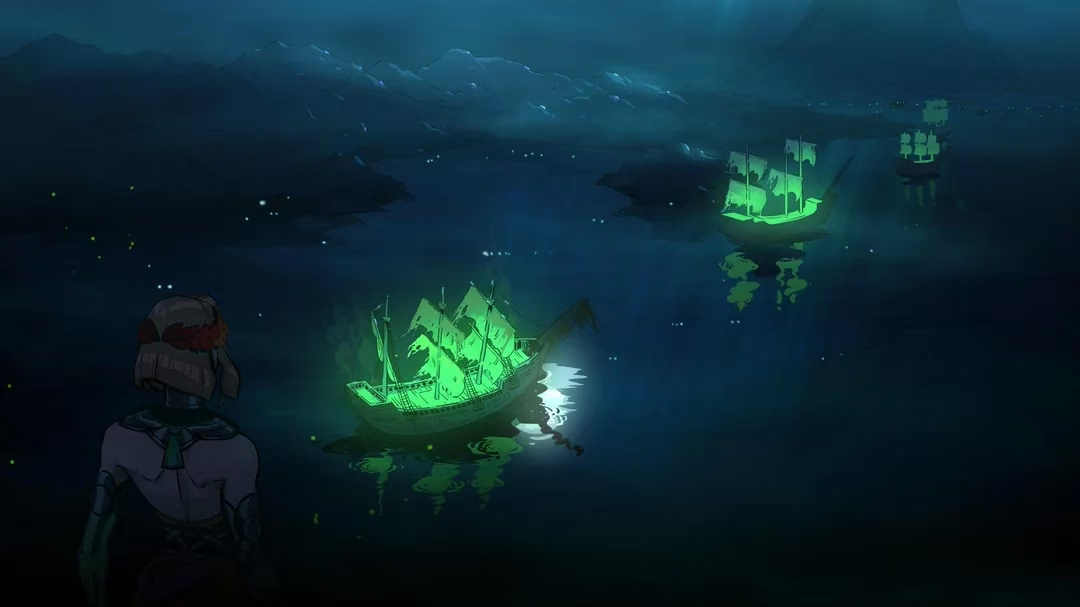
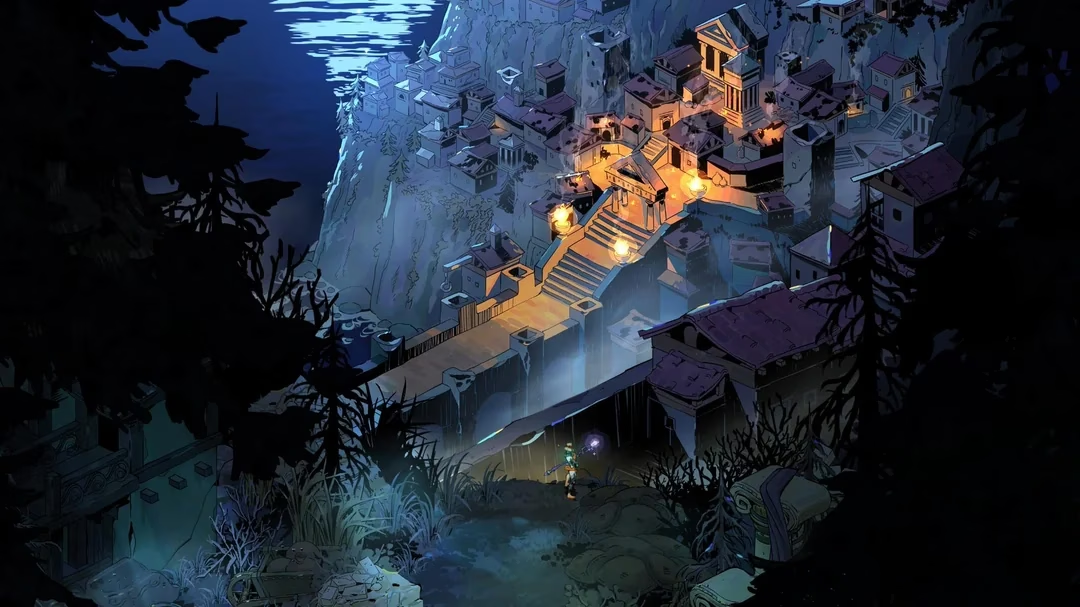
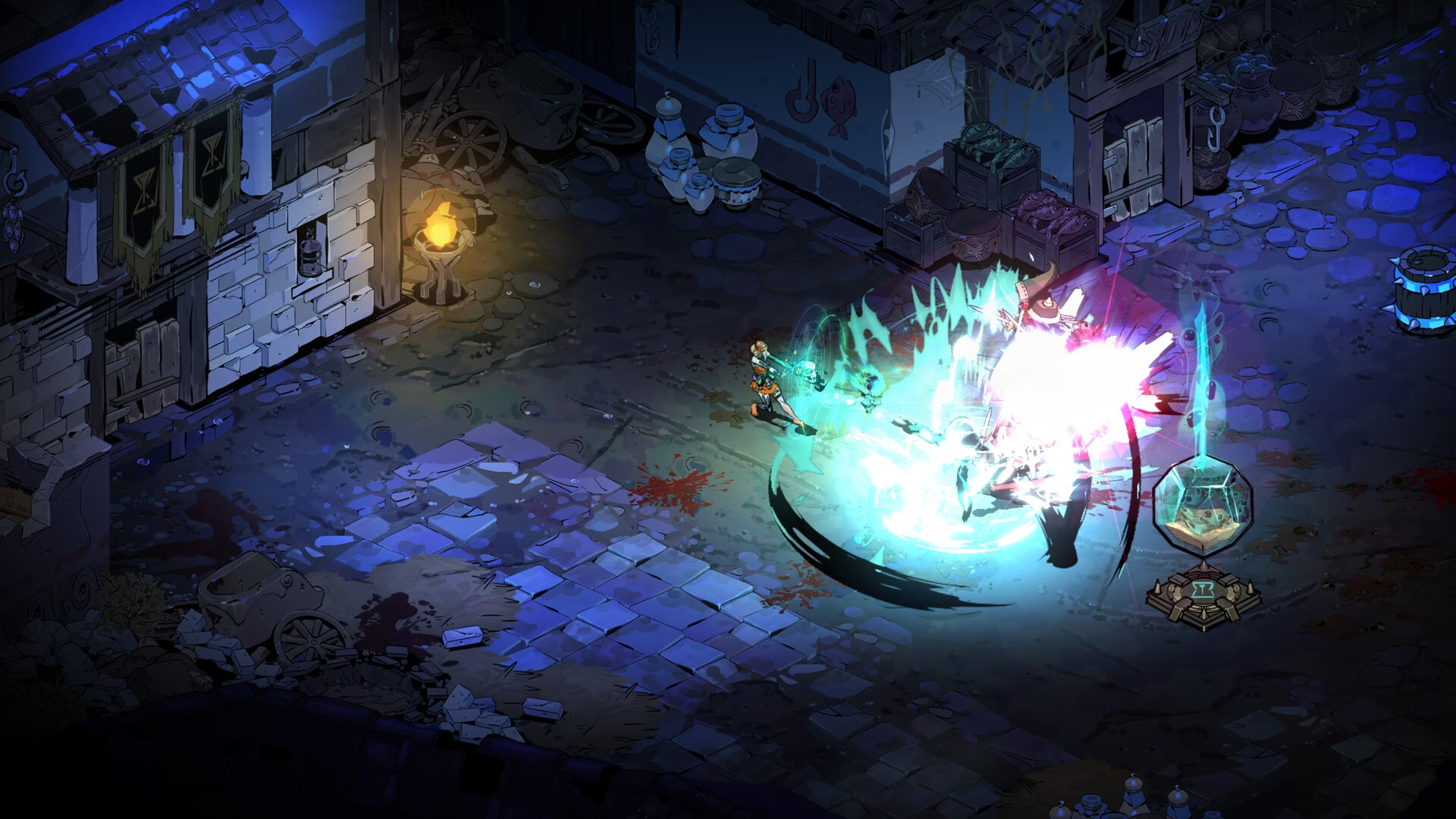
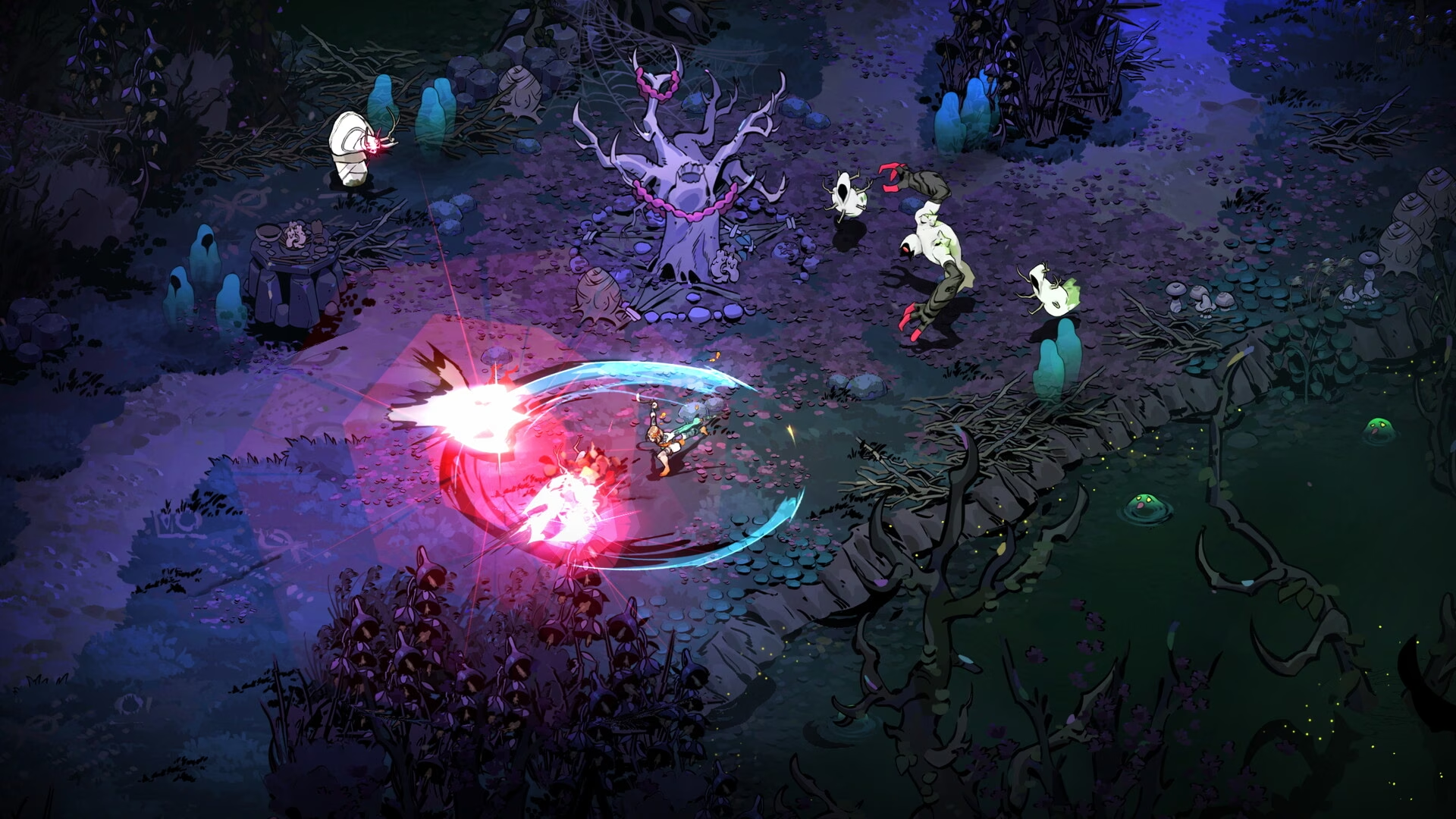
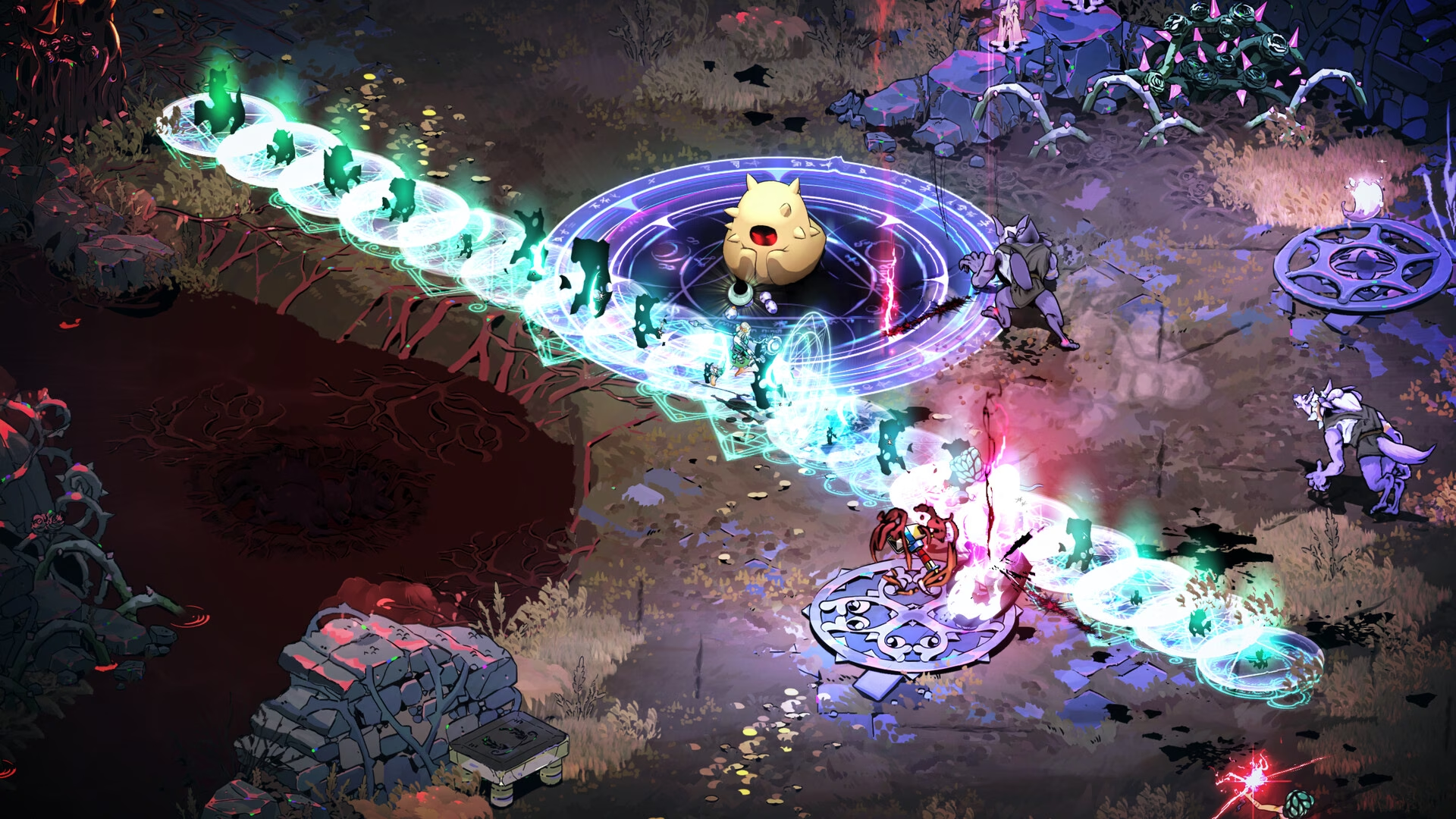
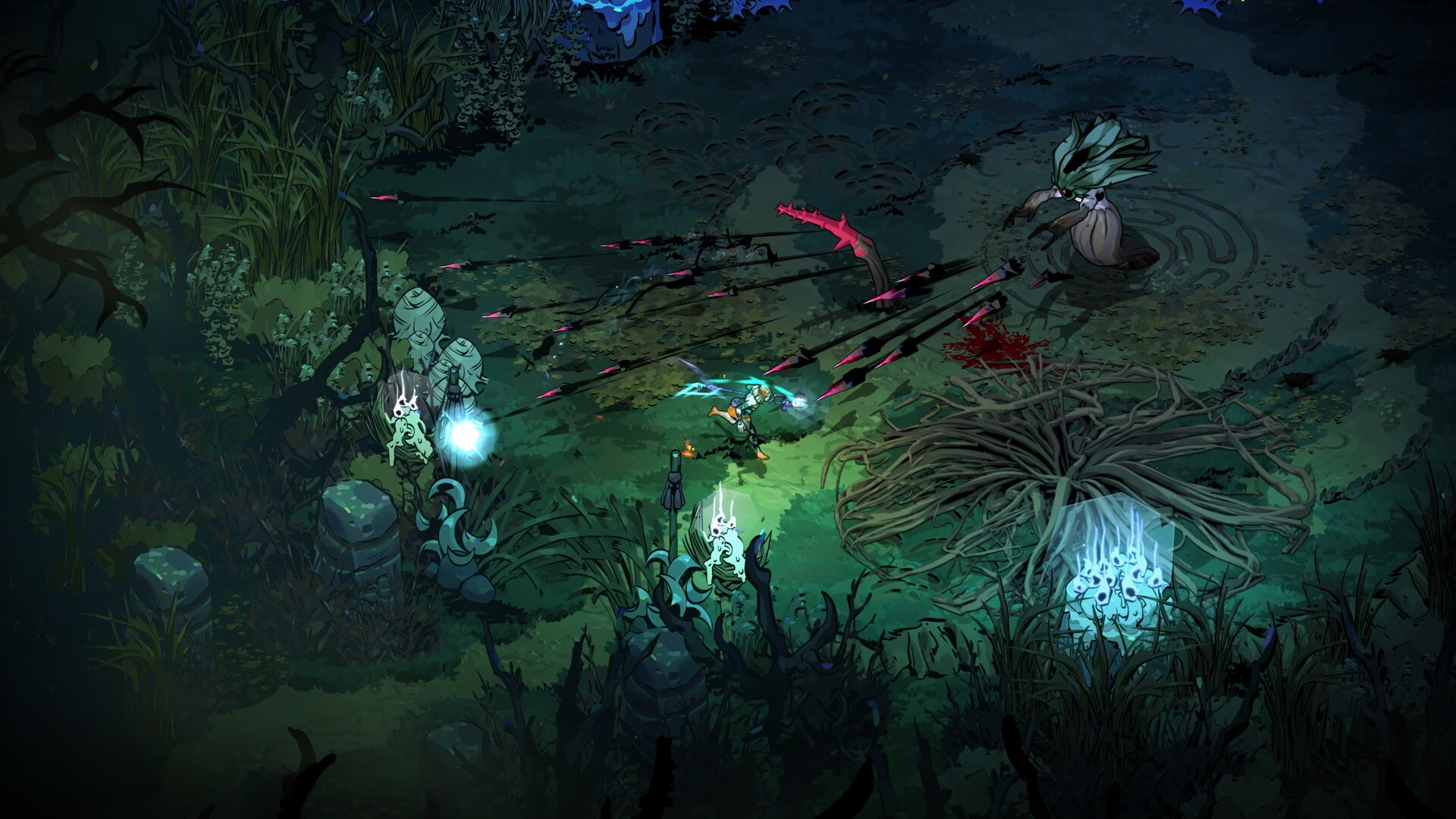
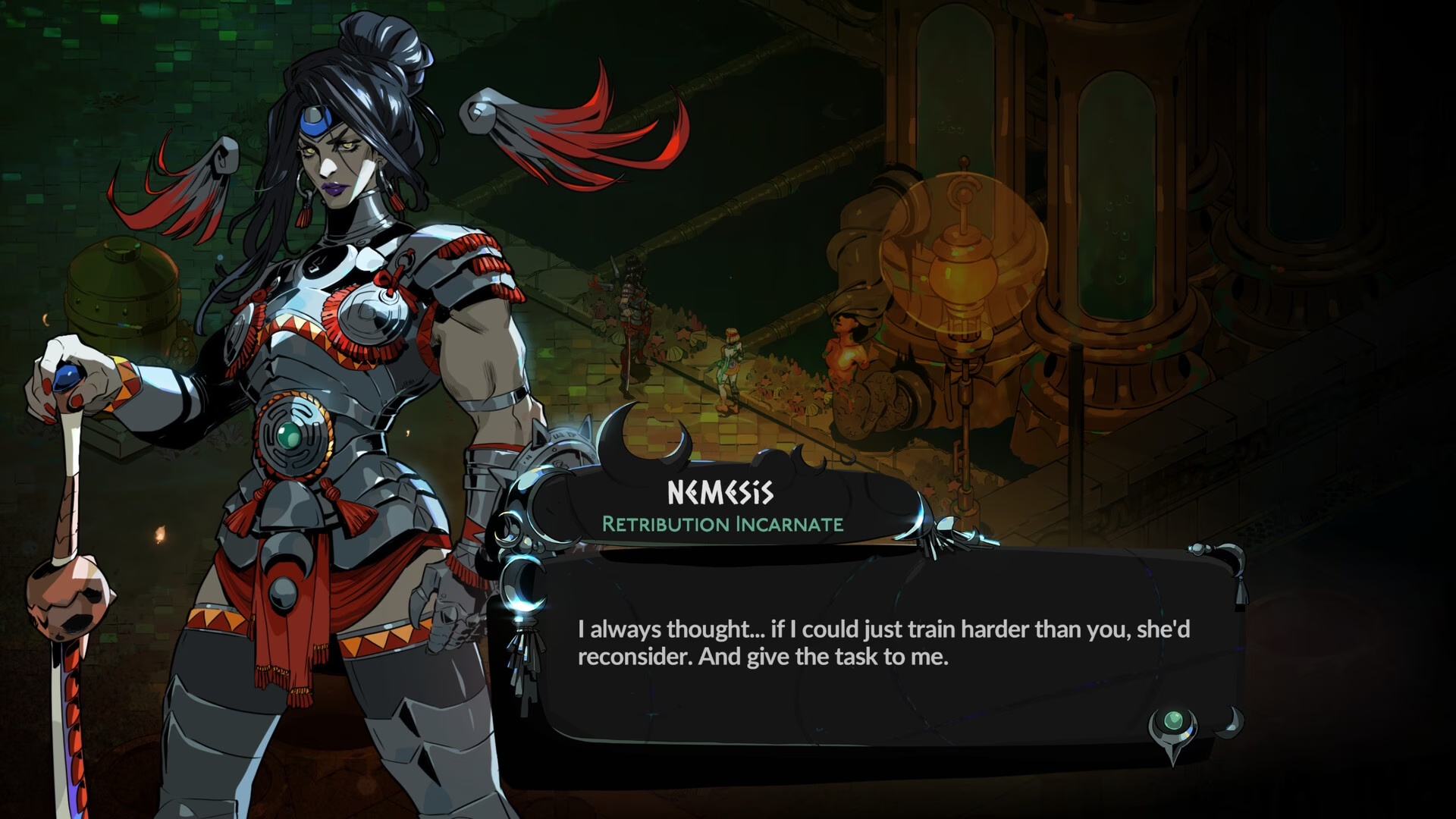
How do you follow up a game that redefined its genre and was universally praised as a modern masterpiece? In Hades II, Supergiant Games has answered that impossible question with a resounding success. The original Hades perfected the rogue-lite formula with kickass combat, endless procedural mechanics, and clever, character-driven storytelling. Yet, incredibly, Hades II has managed to top every single aspect of the first game and made them better.
Pros
- 👑 The world and hub area feel larger, featuring two major, distinct procedural routes.
- 🔮 More unique, sophisticated weapon design and the new omega attacks elevate the action.
- ♾️ The Incantation and Gathering system as a progression system is very engaging, surprisingly anti-fatigue, and deeply rewarding.
- 🎨 Art Style is absolutely gorgeous, featuring the studio’s signature vibrant 2D character portraits and environments.
- 🎭 Clever storytelling that is in sync with the looping rogue-lite gameplay.
- 🔥 Managed to improve upon the near-perfect rogue-lite formula of the original, in terms of combat, progression, and story.
Cons
- 🗡️Some players may miss the straightforward, archetypical weapons (sword, spear, bow, etc) of the first game.
For me, that anticipation was so immense that I painstakingly held off on playing the early access for a whole year, so my experience will be the same as the first game, where i played it after early access. The decision to wait was hard, everybody was playing it when it released on early access, but for me it was necessary: I didn’t want to play it incomplete and risk burning out on the game even before its full release, ensuring I could experience the completed narrative for the first time.
While you might still like some parts of Hades I due to personal preferences, because the first game is also a masterpiece, the sequel is a clear evolution in ambition, mechanical depth, and scale. You couldn’t go wrong with either game, but Melinoë’s journey feels like a true generational leap for the genre.
The Fun Action-Packed Hack and Slash Combat
At its core, the appeal of Hades has always been its fast, deep, engaging hack and slash action, and Hades II leans heavily into complexity. The runs are always engaging due to its procedural selection of “Boons” or selection of abilities that Gods will give you randomly per level, and the combat elevates them further.
The game also switches it up from its predecessor: the familiar quick dodges from the first game (that was admittedly fun with boons) is now replaced by Melinoë’s continuous sprint, fundamentally changing how the player traverses arenas and avoids damage. At first I was not a fan of this move, but after playing a while, I acquired the taste for it and i found really matched with Melinoë’s style of combat anyway.
The weapons this time around are definitely more unique and sophisticated. Gone are the classic, archetypical fantasy weapons like the sword, spear, shield, bow, etc. that defined the first game. Instead, Melinoë, the Princess of the Underworld and our new protagonist, wields specialized witch tools that encourage specific playstyles. While my first thought was, “how can it top the Hades 1 combat, especially when the main character of Hades 2 is a witch and more mage-type, not a warrior like Zagreus?”, the answer lies in the shift to calculated aggression and resource management.
Melinoë herself has a dedicated resource meter (Magick/Mana) used for her powerful “Omega” moves, fundamentally separating her abilities from Zagreus’s pure physical attacks. This can create a rhythm of spending, retreating, and recovering that is more engaging than simple physical aggression, depending on the build. The “Omega” attack, a powerful, resource-draining move that requires you to hold attack buttons, is unique to each weapon and introduces a crucial layer of tactical decision-making, transforming simple button-mashing into deep, calculated action with a much higher mechanical ceiling. This change immediately makes the combat feel fresh, also adding a resource management aspect alongside aggressive boons from the gods.
The Anti-Fatigue Progression Loop
One of the game’s greatest triumphs is the progression system. It is very engaging and very easy to learn. In typical rogue-lite fashion, you accumulate a lot of different ingredients and materials, which might look intimidating at first. The genius of the design, however, is that you truly don’t need to stress over it: just keep playing, no need to pay close attention, just keep playing and you’ll get it as you do more runs.
This seamless progression is thanks to the central hub, the Crossroads, which acts as the anti-grind engine. Materials gathered during failed runs are used to perform Incantations - permanent unlocks that dramatically change the flow of the game, such as unlocking new weapons and functionalities, forcing your favorite boon provider god to appear, or enabling new powers and bonuses through the Arcana Card Deck system. Every failed escape attempt feels valuable because it inevitably leads to a permanent upgrade, ensuring that your time is always rewarded. The system is entirely anti-fatigue and perfectly complements the addictive nature of the combat loop.
Larger Scope, Beautiful Artistry, and Narrative Depth
The maps and the world feel bigger than ever. The home base where Melinoë retreats after defeat - the aforementioned Crossroads - is significantly larger than the House of Hades, populated by a wonderful new cast including the witch Hecate and several new Olympic gods, all providing services and commentary.
Crucially, the game features two big procedural areas to run on instead of just one. Melinoë’s main task is to journey through the Underworld to face the Titan Chronos (Time), but an entirely separate, brutal route opens up later that I won’t spoil. This route acts as another distinct, high-difficulty challenge, doubling the effective content and vastly increasing replayability as you pursue two separate endgame goals.
This storytelling prowess is amplified by Supergiant’s unique aesthetic. The art style is absolutely gorgeous, featuring the studio’s signature hand-drawn 2D character portraits contrasted with vibrant, dynamic isometric environments.
The clever storytelling is the true secret weapon of the franchise. The game leans in hard on the narrative that is entirely time-gated to the gameplay loop, meaning failure is never a full stop, but rather a necessary narrative beat. Every time Melinoë dies, she returns to the Crossroads, where characters react specifically to the progress she made, the items she found, or the bosses she defeated in her last attempt. This continuous, reactive dialogue - of which there are thousands of lines - ensures that the story moves forward relentlessly, even when the player is struggling. If the player dies, struggles, wins, or anything really, the NPCs will comment on that.
Complementing this ingenious structure is the top-tier voice acting. Every god, minor NPC, and ally is brought to life with emotional depth, perfect comedic timing, and wit. Despite having no animations, cutscenes, mocap, or facial capture. The voice performers elevate the witty, modern script, ensuring that every spoken line whether it’s an encouraging word from a friend or a condescending insult from a deity, advances the plot, deepens a relationship, or simply provides a necessary laugh. The way the narrative is implemented into the cyclical/looping nature of the runs remains utterly brilliant. Dialogue shifts and deepens with every interaction, making the character development feel organic and personally earned.
Conclusion
Hades II is a phenomenal game that, without a doubt, improves upon the first game in every aspect without feeling that its rehashing anything. It takes a formula already considered perfect and somehow manages to expand it without adding bloat or frustrating complexity. The shift to a Magick-focused protagonist is a refreshing take on the formula and the progression system is unmatched in its ability to keep the player engaged. Hades II is a mandatory purchase for any rogue-lite or hack and slash fans. It delivers everything fans of the original could have hoped for and then some. It is the new high-water mark for the rogue-lite genre.